
Crowns and BridgesIn Shelby Township
Missing multiple teeth in a row? You don’t have to live with gaps in your smile. Dental crowns and bridges are securely attached restorations designed to stay in place, helping you eat, speak, and smile comfortably and confidently again.
What are dental crowns and bridges?
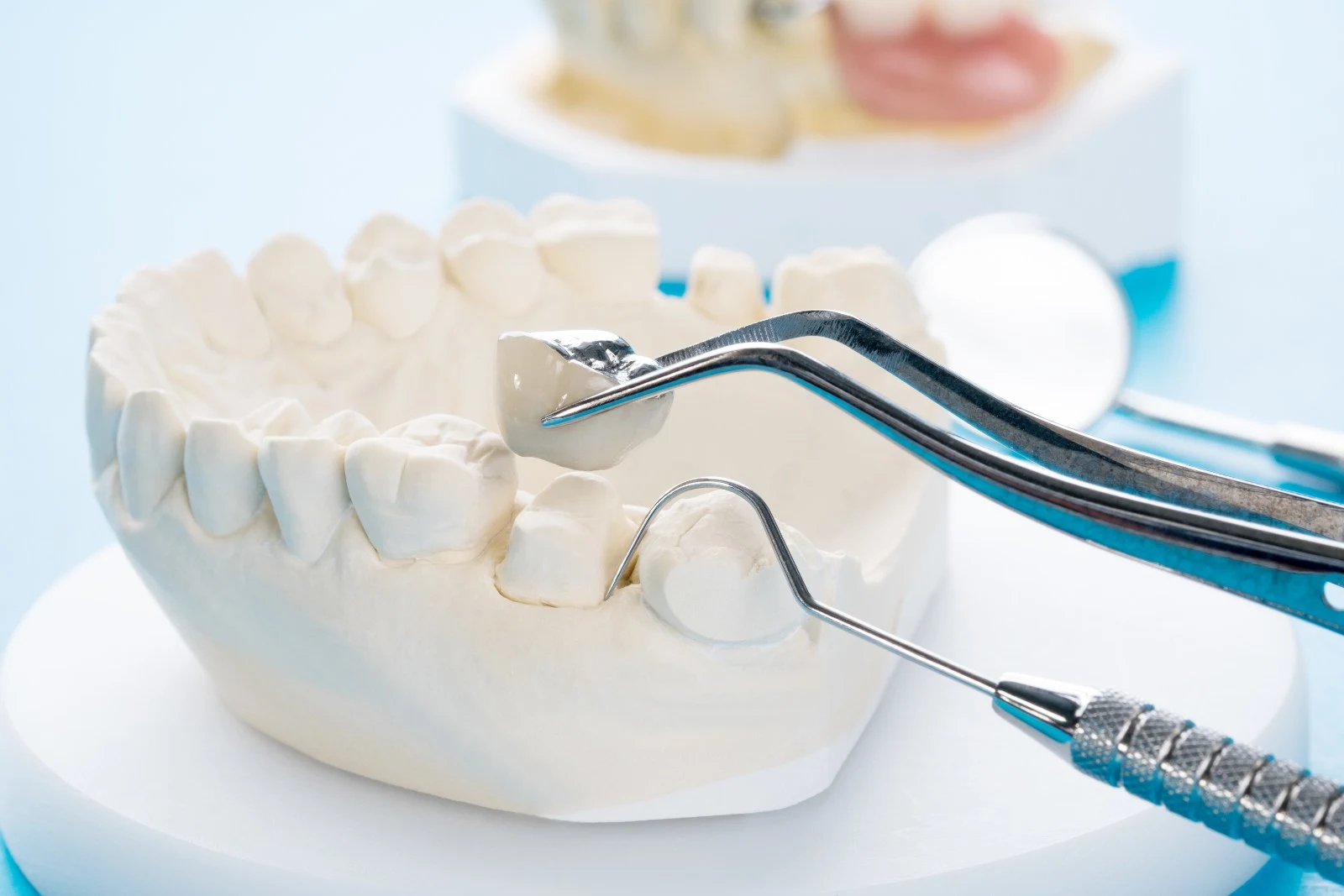
Dental crowns and bridges are proven restorative treatments used to repair damaged teeth and replace missing ones. When a tooth becomes too weakened or decayed to support a filling, a dental crown can be placed over it to restore its strength, shape, and appearance. Crowns are also commonly recommended following root canal therapy and may be used in cosmetic smile improvements.
A dental bridge replaces one or several missing teeth in a row. The restoration uses crowns placed on healthy teeth on each side of the gap. Between these crowns, an artificial tooth, called a pontic, is secured in place, filling the space and restoring both function and aesthetics.
Your Care; Your Terms
Everyone deserves access to quality dental care. That's why we accept most major dental insurance providers, making your treatment more affordable and accessible. We work with your plan to maximize your benefits and minimize your out-of-pocket costs. Our team is ready to help you understand your coverage and explore all your options for comfortable, quality care.
Types of dental crowns and bridges
Lab-Made Crowns
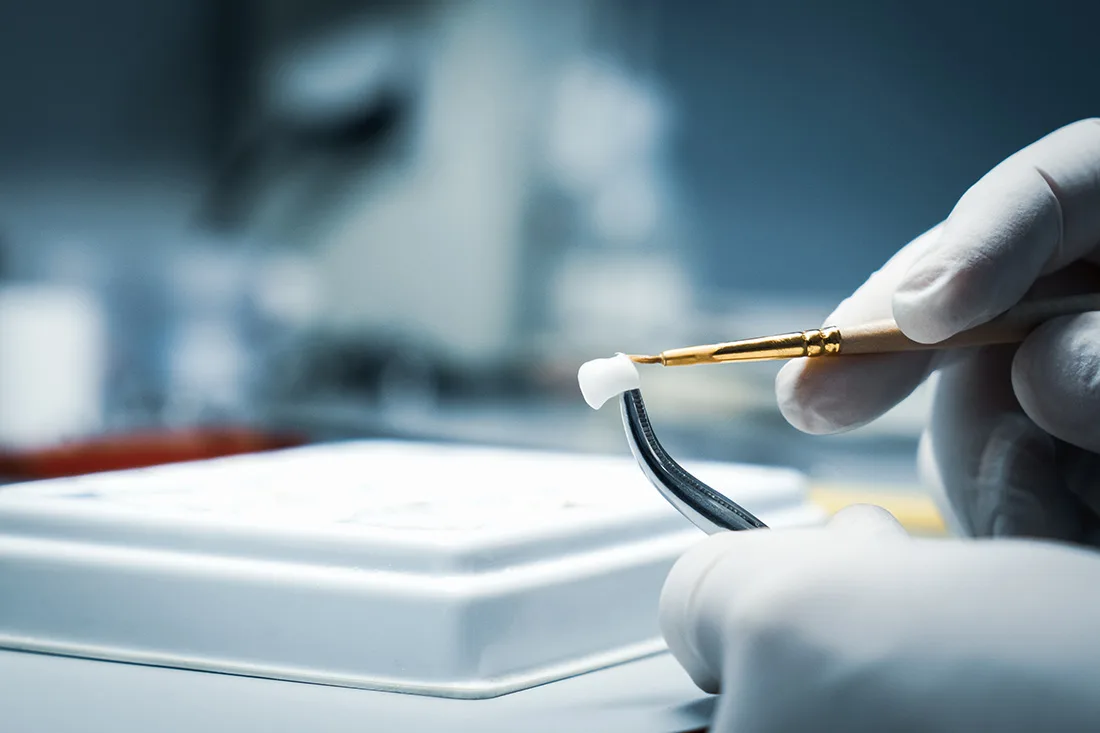
Lab-made crowns are crafted by skilled dental technicians using impressions, scans, and images of your teeth. These restorations are typically made from durable ceramic or metal materials designed to look natural while providing exceptional strength and longevity.
Traditional Bridges
Traditional bridges use two crowns attached to neighboring “abutment” teeth to support one or more artificial teeth, or “pontics.” This restoration fills gaps in your smile while restoring normal chewing function and appearance.
Our Difference
You’ve Got Options
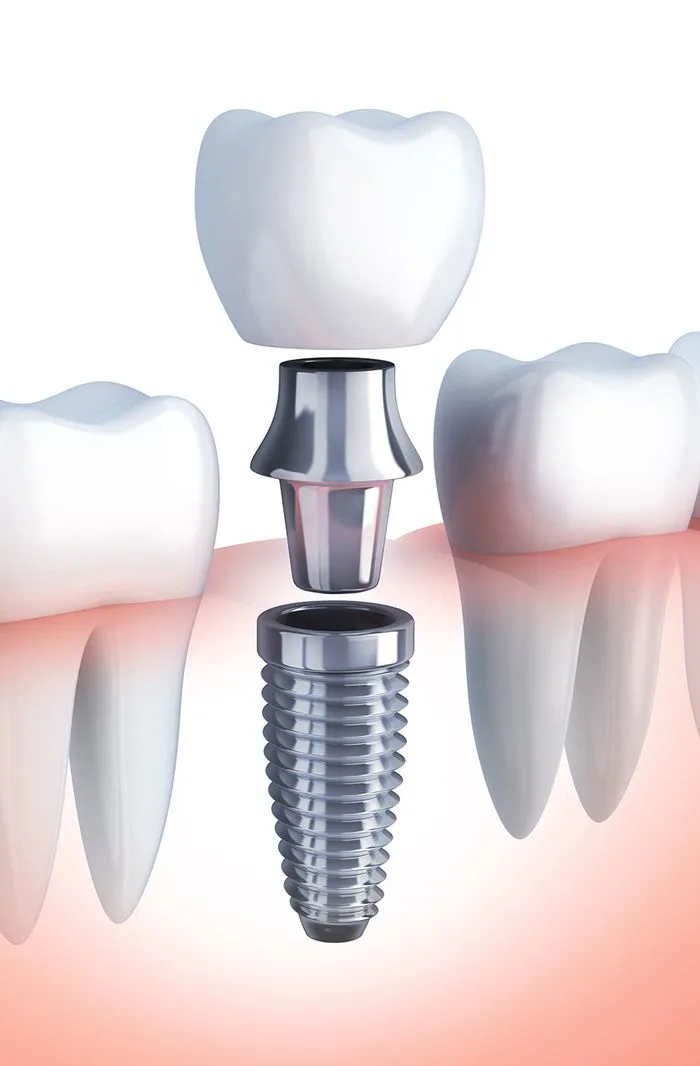
Bridges are just one way to replace missing teeth. Dental implants are another secure and long-lasting option that restores chewing ability, supports oral health, and helps you smile with confidence.
No Putty Necessary
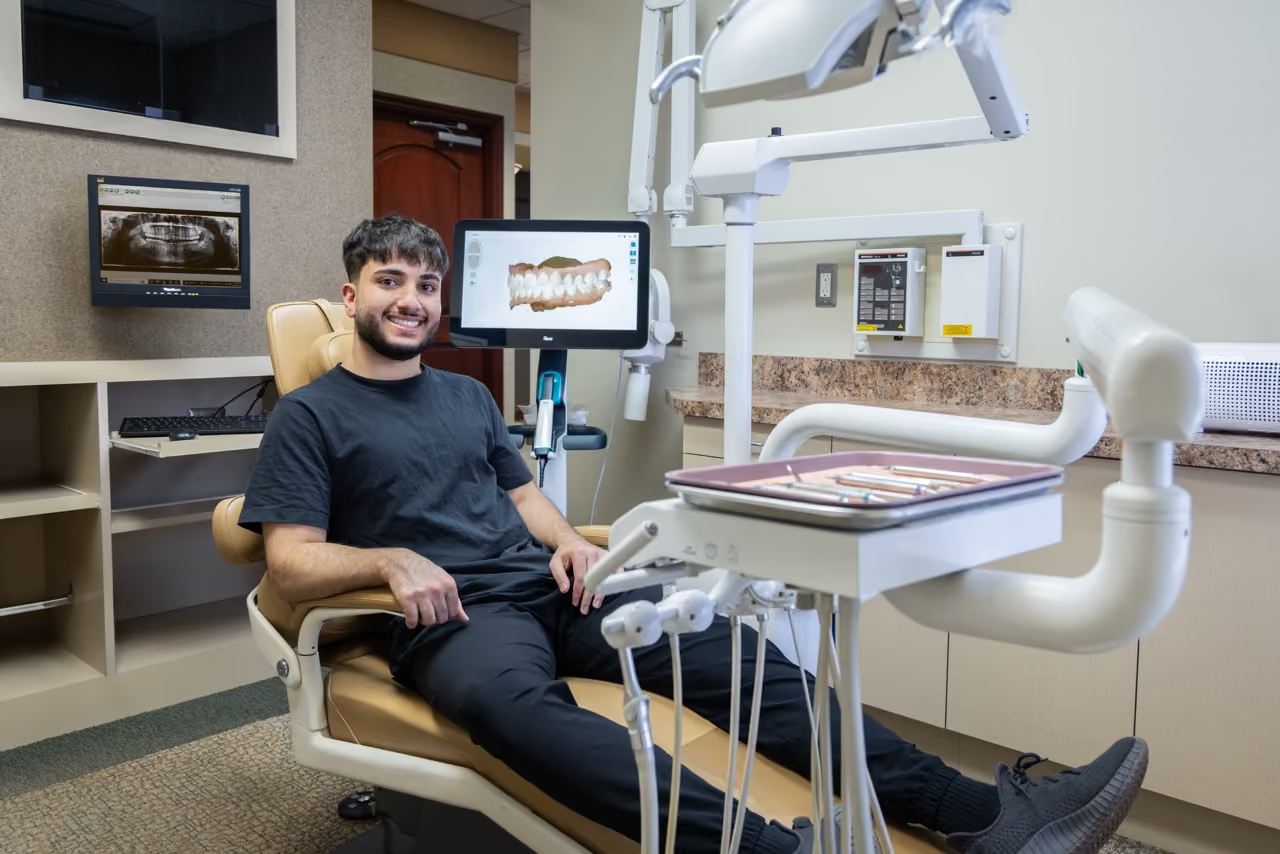
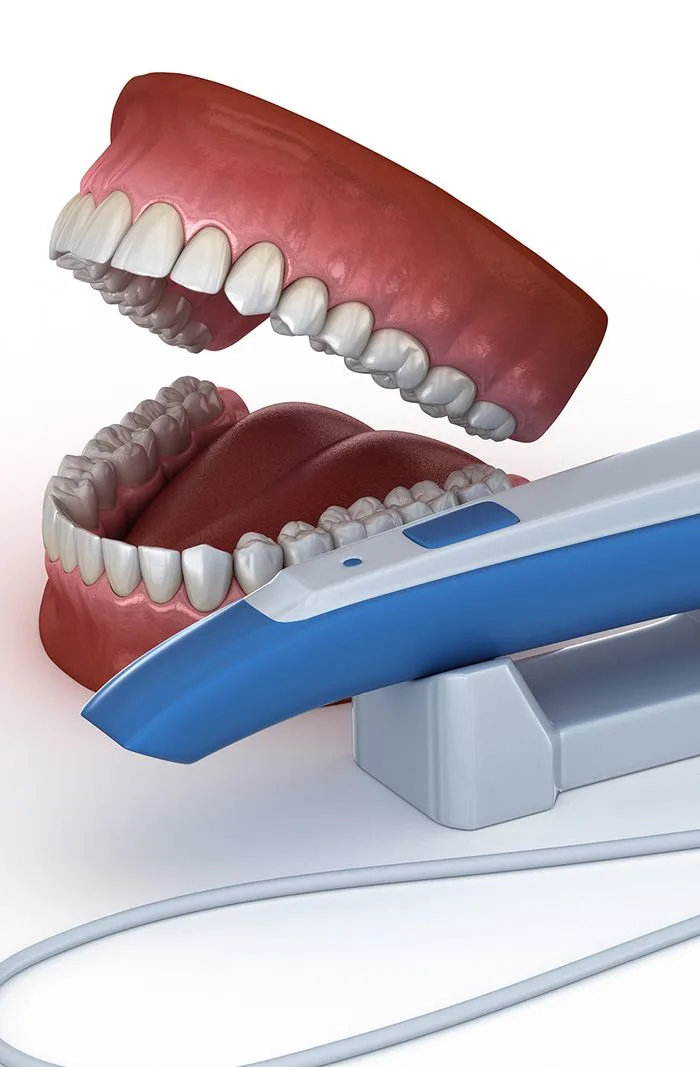
Skip the messy impressions. Our 3D intraoral scanner captures detailed digital images of your teeth for a faster, cleaner, and more comfortable experience.
The dental crowns & bridges process
Preparation of Abutment Teeth
Your dentist will gently numb your mouth to keep you comfortable throughout the procedure. The neighboring teeth, known as abutment teeth, are carefully reshaped by removing a small amount of enamel so the crowns can fit securely and naturally. This step ensures your bridge has a strong, stable foundation that supports long-term durability and function.

Impressions or Digital Models
Once your abutment teeth are prepared, your dentist will take highly detailed impressions or digital scans of your teeth and bite. These records are used to design a restoration that matches the exact size, shape, and color of your natural teeth. Precise measurements help ensure your crown or bridge feels comfortable and blends seamlessly into your smile.

Temporary Bridge
While your permanent restoration is being created, a temporary bridge or crowns may be placed to protect your prepared teeth. This temporary restoration helps maintain normal chewing and speaking ability while preventing sensitivity or damage. It also preserves spacing and alignment so your final bridge fits properly.

Bridge Check & Adjustment
When your custom bridge is complete, you’ll return to the office so your dentist can carefully evaluate the fit, appearance, and bite alignment. Minor refinements may be made to improve comfort and ensure your restoration looks and functions naturally. If more significant adjustments are needed, the bridge may be returned to the lab for further customization.

Final Placement
Once your dentist confirms that your bridge fits securely and comfortably, it is permanently bonded into place using strong dental cement. This step restores your ability to chew, speak, and smile with confidence. Your dentist will also provide care instructions to help protect your new restoration and maintain your oral health.
FAQs
Frequently Asked Questions
Check out these frequently asked questions, or call us to speak with our team.
Dental crowns and bridges are both restorative treatments designed to protect and rebuild damaged or missing teeth. A crown is used to restore a single tooth by covering it with a protective cap that restores strength, shape, and function. A dental bridge, on the other hand, replaces one or more missing teeth by using surrounding teeth or implants to support artificial replacement teeth. Both treatments help restore your bite and maintain the natural alignment of your smile.
Although there are several types of bridges, they all function in similar ways. A dental bridge replaces missing teeth by attaching artificial teeth to nearby natural teeth using crowns or bonding frameworks. Fixed and cantilever bridges rely on dental crowns placed on neighboring teeth, while Maryland bridges use small metal or porcelain wings bonded to the back of adjacent teeth. Because bridges are securely anchored, they remain stable and do not shift like removable partial dentures, making them a convenient and reliable treatment option.
Dental crowns and bridges are commonly used to repair teeth that have been weakened by severe decay, fractures, or dental trauma such as accidents or injuries. By covering and protecting the entire tooth structure, crowns help prevent further damage while restoring appearance and functionality. These restorations are also frequently used after root canal therapy to reinforce treated teeth. In some cases, crowns and bridges may be recommended for cosmetic improvements when other treatments are not ideal.
If you have severely damaged, decayed, or missing teeth, your dentist may recommend a crown or bridge as part of your treatment plan. Symptoms such as persistent tooth pain, visible damage, sensitivity, or difficulty chewing can indicate the need for restorative care. During your exam, your dentist will evaluate your oral health, discuss your concerns, and determine whether a crown, bridge, implant, or another treatment option is best suited to restore your smile and oral function.