
Implant RestorationsIn Shelby Township
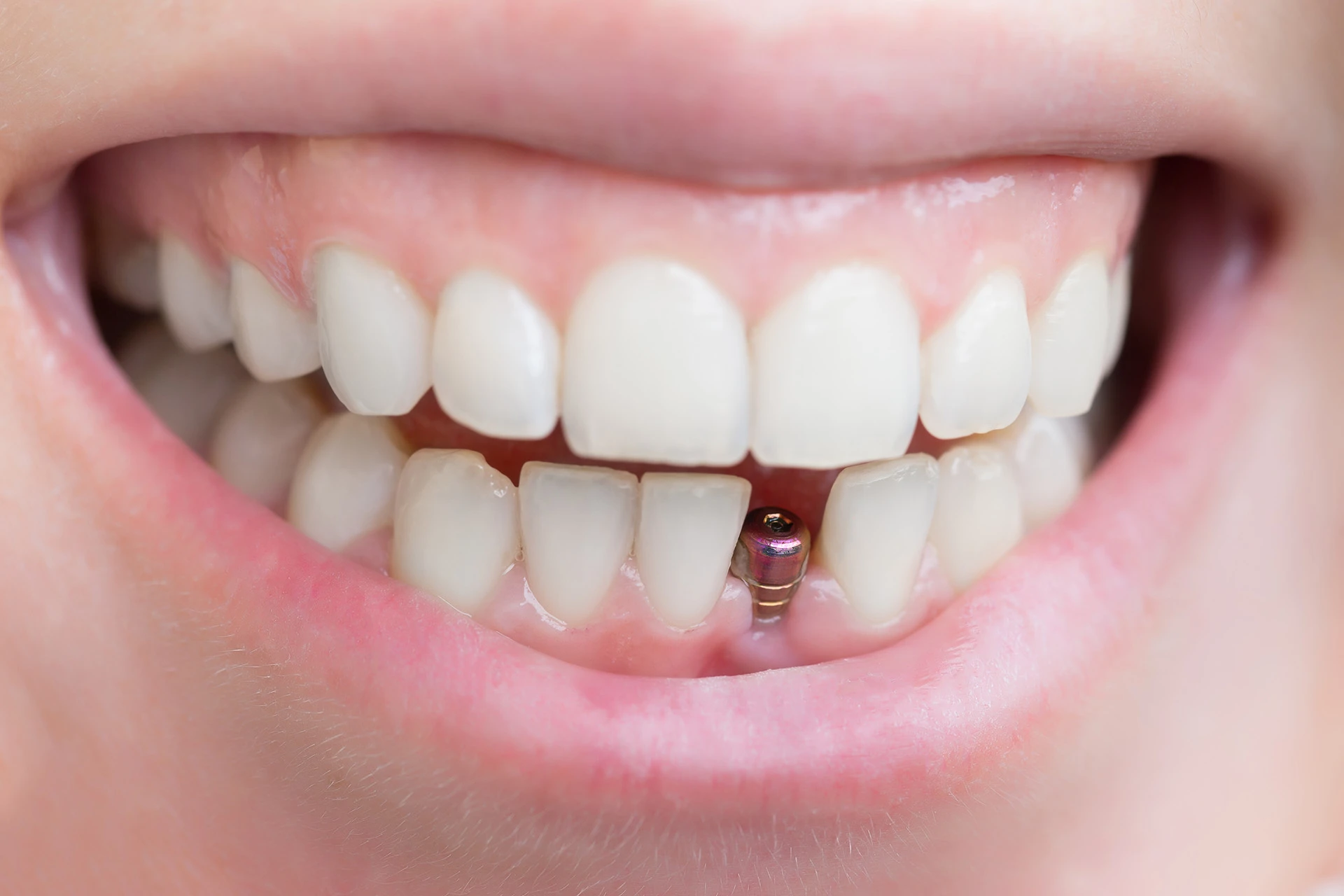
Dental implants are the best way to replace missing teeth. But an implant alone will only replace a tooth's root. An implant restoration, like a dental crown, can be used to complete your smile.
Why should I get an implant restoration?
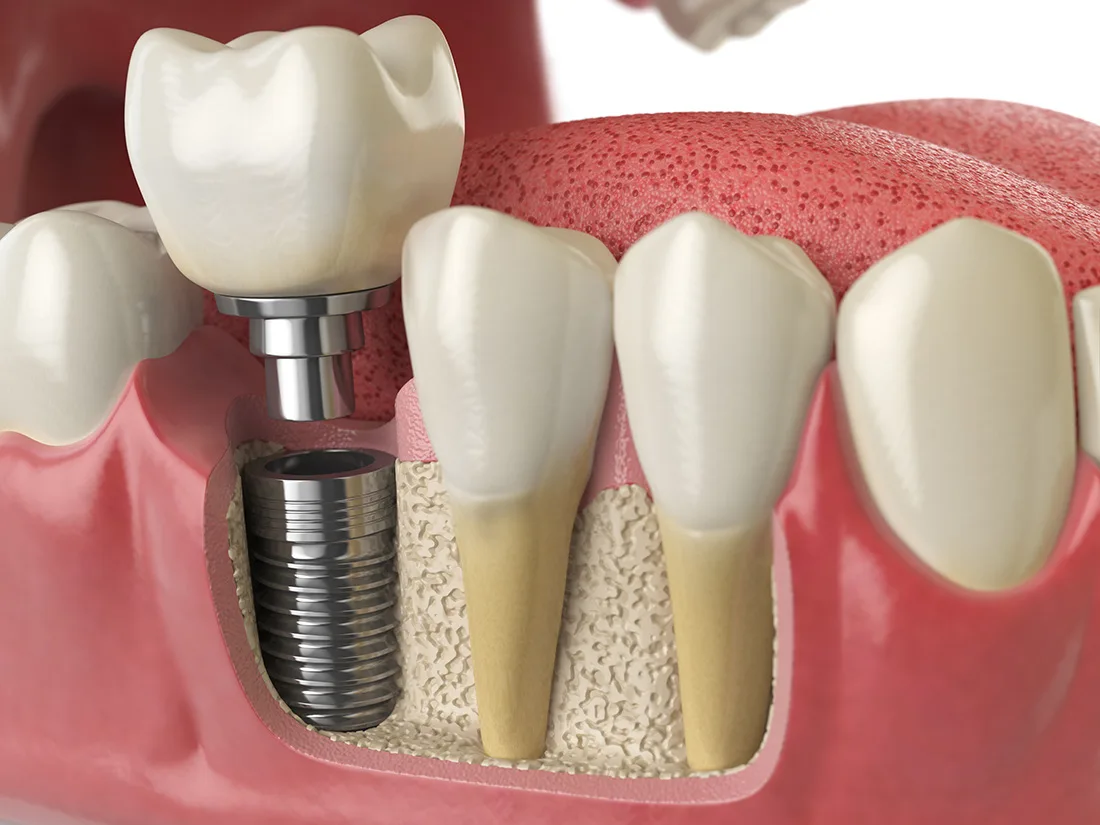
Implant restorations are a necessary part of any dental implant treatment plan. The implant itself is just a small piece of metal that acts as an artificial tooth root. To restore the tooth completely, you need a restoration like a dental crown, bridge, or set of dentures. Together, your dental implant and your implant restoration will keep you smiling for decades to come.
Keeping Care Accessible
Everyone deserves to love their smile. That’s why we make it easy to pay for your treatment in a way that fits your budget and lifestyle.
The Benefits of Implant Restorations
Versatile Smile Restoration
Implant restorations can be used to replace one tooth with a crown, multiple teeth with a bridge, or a full mouth of teeth with implant-supported dentures. Implant restorations look, feel, and function just like real teeth. No matter how many teeth you’ve lost, you may be a good candidate for treatment with dental implants and an implant restoration.
Long-Lasting Results
When you care for them properly, your dental implants and your restorations could last decades. This is much longer than alternatives like dentures and traditional dental bridges, which makes implants a great long-term investment.
Minimal Special Care
If you get a single-tooth restoration with a dental crown, you can just treat it like a normal tooth, and it’s easy to care for implant-supported bridges and dentures, too. This makes your life more convenient.
Our Difference
Replace Several Teeth With Implant-Supported Bridges
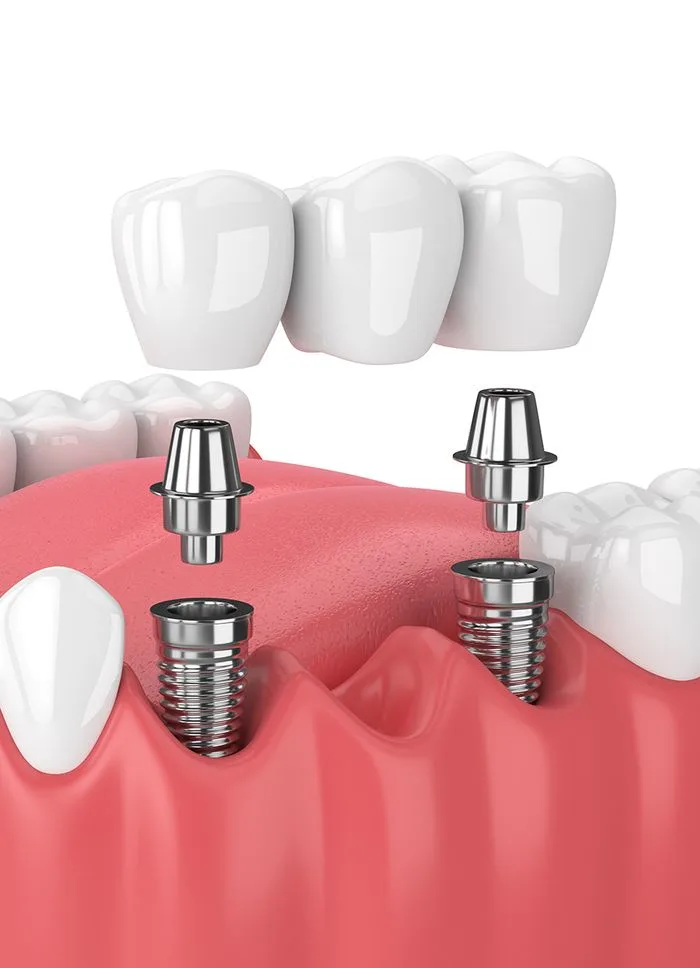
A dental bridge is used to replace several missing teeth in a row. An implant-supported bridge performs the same function, only it is attached to a dental implant instead of a natural tooth.
The Implant Restoration Treatment Process

Dental Implant Placement
To begin the process, your dentist will need to place one or more dental implants into your mouth. After this surgery is done, it may take up to 6 months for your mouth to fully heal.

Follow-Ups & Building The Restoration
After your implants are in place, you’ll come back to our office for a few follow-ups. During this time, your dentist will check your recovery. They will also take impressions or models of your mouth, and use these to begin designing and crafting your final implant restoration.
Final Dental Implant Restoration
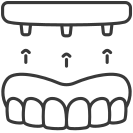
Once your mouth is healed, your dentist will build your permanent implant restoration with the help of a dental lab. When it arrives at our office, you’ll come in for one last appointment. Your dentist will check the restoration to make sure it fits. Then they will bond it to your implant permanently and send you home to enjoy your brand-new smile.
FAQs
Frequently Asked Questions
Check out these frequently asked questions, or call us to speak with our team.
Dental crowns are the most common type of dental implant restoration, and they attach to one implant to restore a single tooth. Implant-supported bridges are also an option. These use two implants to support a row of 3+ missing teeth.
Implant-supported dentures are also an option for some patients. These are full rows of teeth that attach to 4-6 implants in the upper, lower, or both arches of your mouth. Depending on the type of denture, they may either be removable, or they may be permanently fixed in place.
The answer is usually “no.” Most dental insurance plans don’t cover any part of dental implant treatment, and this includes restorations. You will likely have to pay out of pocket. However, you can consult with your insurer and your policy information directly to learn more, and see if you can get coverage for your dental implant and/or implant restoration.
Implant restorations require the same care as natural teeth: brush twice daily, floss daily, and visit us for regular checkups and cleanings (typically every 6 months). Avoid chewing on hard objects (like ice or hard candy) and don't use your teeth as tools. If you grind your teeth, we may recommend a nightguard. Good oral hygiene and routine professional care are essential—they protect both your implant and surrounding teeth. With proper maintenance, your restoration will look and function beautifully for decades.
Most patients experience minor swelling, bruising, and discomfort for a few days after implant placement—manageable with prescribed pain medication and ice. You'll have specific aftercare instructions, including dietary restrictions (soft foods for the first week) and avoiding strenuous activity for 3-5 days. Complete healing and osseointegration (bone bonding) takes 3-6 months, during which you'll have follow-up appointments to monitor progress. During this time, you can return to normal activities within a week or two. Once healed, the restoration process is quick and painless.